


Advertising and marketing practitioners have long viewed creativity and effectiveness as competing priorities, with brands often forced to choose between standout ideas and measurable business results. But as audiences become more fragmented and accountability takes center stage, that divide begins to fade. Creativity is now increasingly recognized not just as a tool for storytelling, but as a strategic business driver capable of delivering growth, building brand value, and creating meaningful impact.
This shifting perspective set the tone for the 2026 adobo Masterclass on Creativity: The Case for Creative & Marketing Effectiveness, where marketing leaders such as Nestlé Philippines Vice President and Head of Communications & Content Excellence Jayel Ladioray, McDonald’s Philippines Marketing Director Ashley Santillan-Delgado, Grab Philippines Country Marketing Head Bea Bravo, and GCash Chief Marketing Officer (CMO) Neil Trinidad gathered in one venue to reflect on and find answers to one of the industry’s most pressing questions: Can the most creative decision also be the most effective?
Rather than framing creativity and effectiveness as competing priorities, the conversations throughout the masterclass revealed how the strongest brands today are finding success by bringing the two together.
From creating memorable consumer experiences and writing clearer creative briefs to building campaigns that drive financial inclusion and cultural relevance, the speakers shared how bold ideas achieve their greatest value when they are grounded in purpose, strategy, and measurable outcomes.
Opening the event, Angel Guerrero, Founder, President, and Editor-in-chief of adobo Magazine, challenged the audience to rethink one of advertising’s longest-standing assumptions. She suggested that as the industry evolves, creativity should be understood as a business tool, not just an artistic exercise.
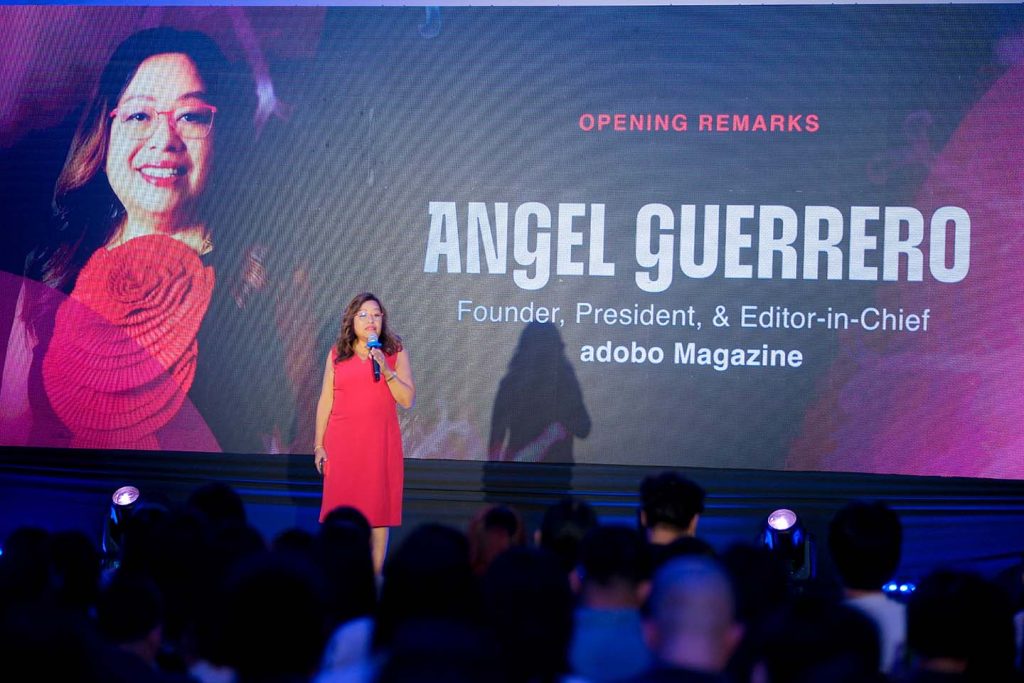
“For years, creativity and effectiveness have been treated as separate pursuits. One is celebrated for originality; the other measured by results. But as our industry continues to evolve, perhaps it’s time we stop seeing them as competing ideas and start seeing them for what they truly are: partners in meaningful business impact.”
She added that creativity has evolved beyond communications, describing it as “a driver of business, innovation, and economic growth,” whose value extends far beyond campaigns themselves.
The most effective ideas are the ones that matter
If creativity is a business driver, then relevance becomes its greatest measure of success.
Jayel challenged marketers to confront what he referred to as “the lies that we tell ourselves about creativity,” arguing that the industry has become too comfortable creating work that earns admiration from peers, instead of influencing real people.
“Sometimes ideas are optimized to impress the advertising industry instead of influencing real people. We confuse being admired with being impactful,” he said.

This perspective then resonated with another recurring message throughout the talks on creative bravery and creative novelty.
“The biggest risk in advertising is not being wrong; it’s being ignored. We don’t have a creativity problem; we have a courage problem,” Jayel added.
Supported by effectiveness data showing that creatively awarded brands significantly outperform competitors in market share growth, Jayel argued that creativity should no longer be viewed as decoration but as a strategic business decision.
“In the question whether it is creative or effective, the answer has always been both. Then creativity ceases to become something that is simply admired. It becomes something that we can believe in, something that can move us, and something that can change lives.”
“We have been told a lie that creativity is only for dreamers, and effectiveness is only for business focus. But the greatest ideas do both. It moves people, changes behavior, and creates value. After all, creativity earns attention, but it is effectiveness that builds connection,” he said.
From capturing attention to creating participation
While creative ideas may earn attention, Ashley argued that attention alone is no longer enough. She described today’s marketing environment as one where the target audience encounters hundreds of advertisements daily, making visibility increasingly easy to buy but increasingly difficult to sustain.
“Attention has become the easiest thing to buy, but the hardest thing to keep,” she said.
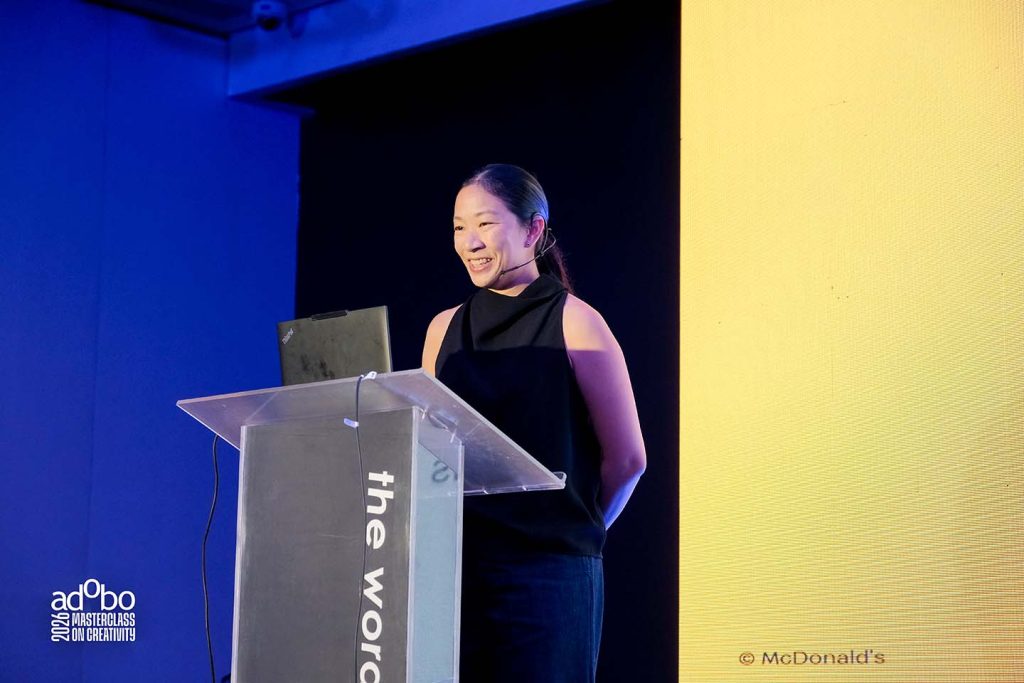
For brands like McDonald’s, that shift has meant moving beyond traditional advertising toward experiences that people actively choose to engage with. According to Ashley, the company doesn’t just sell burgers or chicken, but is also in the business of selling feel-good moments.
Ashley also said that the strongest campaigns become part of people’s lives, instead of interrupting it.
“Our best campaigns never feel like marketing; they become experiences that people genuinely enjoy and choose to be a part of.”
As consumer participation increasingly defines successful campaigns, Ashley then encouraged the audience to rethink what they create.
“Stop creating ads. Start creating memories. People don’t remember the ads that they saw; they remember the experiences they had with it,” she noted.
Great creativity begins with clarity
If participation defines memorable marketing, execution still depends on a strong creative foundation. Bea offered perhaps the day’s most unexpected advice by encouraging marketers to embrace what she called “boringly clear” briefs.
Rather than overwhelming creative partners with multiple objectives, she argued that focused direction unlocks stronger ideas.

“Ambitious creativity doesn’t come from an ambitious brief; it comes from one that is boringly clear.”
The simplest briefs, she explained, often create the greatest room for innovation because they allow agencies and production partners to solve a single, well-defined challenge.
“A clear brief isn’t a cage; it’s an invitation. But an invitation is only as good as the partners you bring in and accept it,” Bea stressed, adding that being “boringly clear” makes partners and creatives create “magic” together.
Creativity becomes meaningful when it improves lives
The conversation ultimately expanded beyond marketing performance into the broader role creativity can play in society.
Neil illustrated how mobile wallet apps like GCash have used storytelling not simply to promote products but to address financial inclusion and digital literacy at scale. Reflecting on the company’s reach across millions of Filipinos, he said the responsibility extends well beyond product marketing.
“Our job isn’t simply about marketing the next best product or the next coolest feature. It’s actually how do we keep a nation protected?”
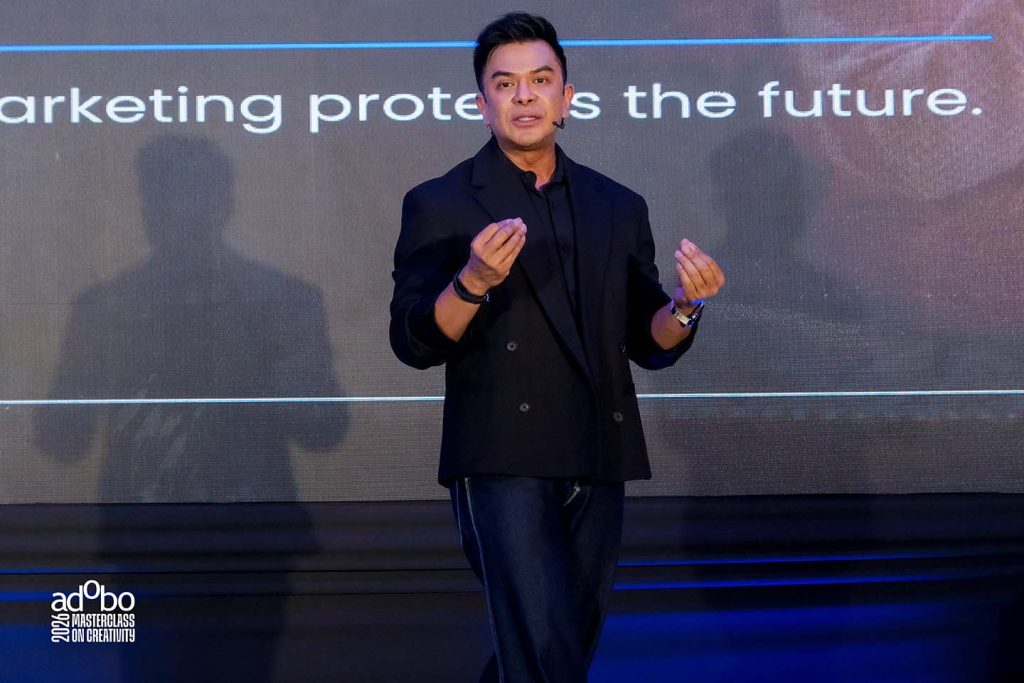
Recognizing that most of its users come from historically underserved communities, GCash shifted its storytelling toward real stories of hope and progress. He said that the company started the GCash Stories campaign to turn “real stories of hope and progress into progress that people actually feel.”
Those stories then resonate because audiences see themselves reflected in them.
“When you see someone who looks like you… it makes you stop and ask yourself, maybe I can do that too.”
In that sense, creativity becomes more than persuasion. It becomes a catalyst for inclusion, confidence, and meaningful progress.
“‘Can the most creative decision be the most effective?’ And the answer to that is ‘yes.’ In fact, the most creative decisions can inspire progress, the most creative decisions can help protect the nation, and the most creative decisions can help move a country forward.”
The future belongs to creativity that delivers
Although each speaker approached the subject from a different perspective, their ideas converged around one unmistakable conclusion—creativity and effectiveness are no longer competing priorities.
Moderated by one of Filipino creativity’s greatest creative advocates and former VML Manila Chief Executive Officer (CEO) Golda Roldan, the panel examined how creativity survives the scrutiny of business, budgets, and boardrooms.

One of the recurring themes in the discussion was knowing when an idea deserves to move forward and when it should be left behind.
For Bea, creativity should never exist simply for its own sake as she believes that creativity should always serve a purpose. It warns against pursuing ideas simply because they are clever, artistic, or attention-grabbing if they don’t contribute to the campaign’s objectives.
“The moment that it becomes creativity for creativity’s sake… that is a signal for us to kill it and not to push forward with that idea.”
She argued that every great idea should instead remain anchored to the problem it was originally intended to solve.
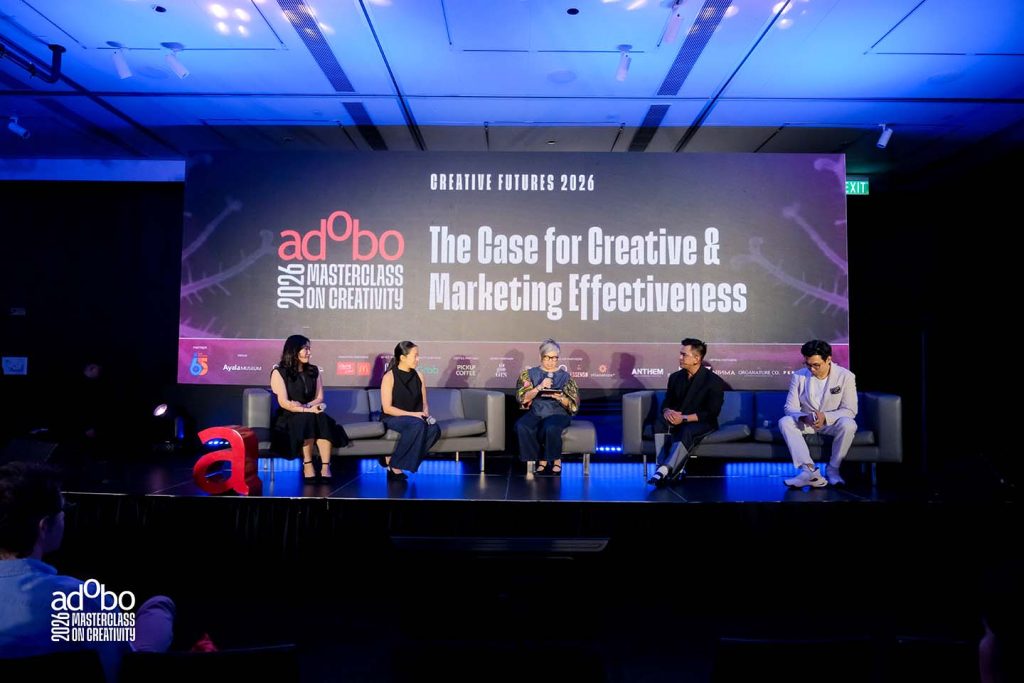
“If it’s really a good idea, it should clearly articulate the brief while being creative.”
That discipline echoed the philosophy she shared during her keynote and emphasized that clarity is not the enemy of creativity but the very condition that allows it to flourish. Sometimes, however, an idea does not fail because it lacks creativity, but because it has yet to find the right role.
Ashley, on the other hand, reflected on one of McDonald’s campaigns where she recalled shelving a concept she personally believed in after realizing its intended message had become diluted.
“It was a great idea. I loved it. But the message wasn’t clear,” she admitted.
Rather than abandoning the concept altogether, the team reframed it as a broader brand campaign centered on inclusivity.
“That’s where the message of inclusivity really landed because McDonald’s welcomes all.”
The discussion reiterated the simple but important reminder that brave ideas are not protected because people fall in love with them. They survive because they solve a genuine business challenge.
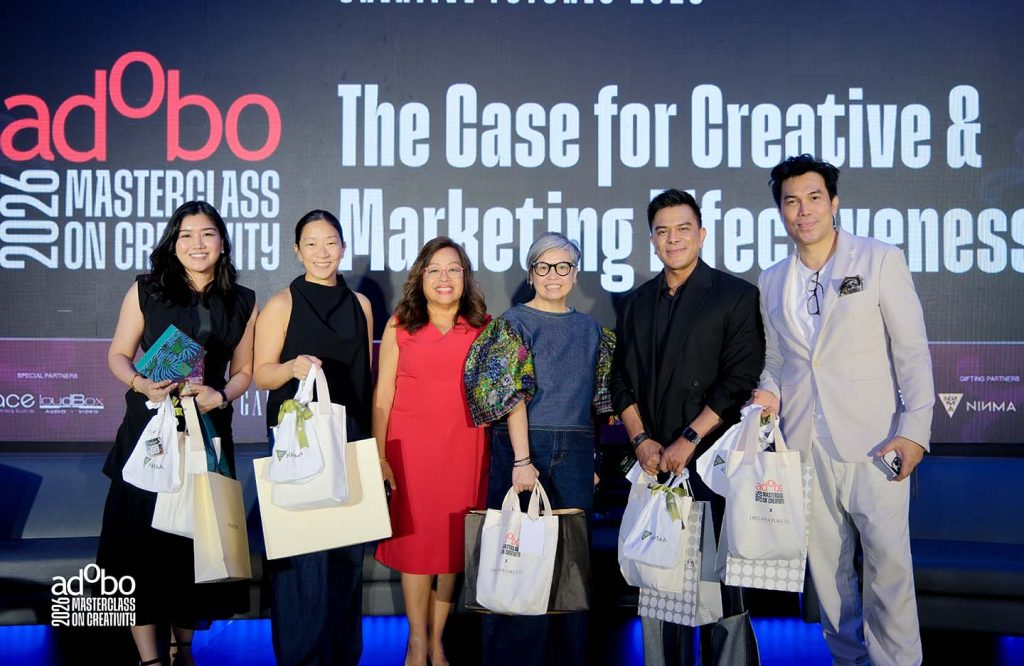
Proving business value has become more critical than ever, especially for today’s marketing leaders. In an environment where budgets are closely monitored, and every investment is expected to generate measurable returns, creative ambition alone is no longer enough. Every campaign, activation, and idea must be backed by a clear business rationale, whether that’s driving growth, strengthening brand equity, or solving a specific market challenge.
Neil noted that this heightened financial scrutiny has fundamentally changed how marketers evaluate creative work.
“Every single peso spent is defended to death to the CFO and finance heads all the time,” he said, describing the level of accountability modern chief marketing officers face. That constant pressure, he explained, forces teams to look beyond whether an idea is exciting or original. Instead, they must ask tougher strategic questions before moving forward.
He added, “That sort of rigor and discipline really makes you pause and think: Is it the right time for this idea? Does it address a business problem?”
And yet, the panelists argued that accountability should not discourage boldness. If anything, it demands stronger conviction.
The discussion also expounded on the willingness of brands to advocate for courageous work. For Jayel, it requires resisting the comfort that often comes with market leadership.
“If there is a really creative idea which I feel delivers on creativity and is poised to be effective… I fight for it,” he said. “Our role is really to partner with the agencies to push for the bravest ideas that actually solve the brief.”
He continued, “One of the dangers of being brands that are really well-entrenched is complacency. Your consumers are evolving. Even as your brand is committed to stay the same, you cannot assume relevance is permanent.”
Nonetheless, effectiveness was repeatedly framed not as an antihero of creativity but as proof that creativity is working.
Neil alluded to it through GCash’s public information campaigns on scams as an example. While the initiative was never designed to generate immediate commercial returns, it produced measurable outcomes, including scam reports that declined significantly while customer trust and brand perception improved.
“When you’re a brand that has the scale that we do, it is your responsibility to spend behind public information campaigns that will not give an immediate return,” he said.
As the discussion drew to a close, the conversation turned toward the next generation of marketers. The panelist offered advice to young professionals in the creative industry: speak up even when their perspectives differ, remain endlessly curious beyond the workplace, and never stop thinking like consumers.
Ultimately, in an industry often tempted to choose between creative ambition and commercial performance, the masterclass argued that the strongest ideas no longer ask marketers to make that choice. The work that changes culture, builds trust, and grows businesses is increasingly the same work where ideas are grounded in human truth, sharpened by strategy, strengthened through collaboration, and brave enough to deliver results.
“What you’ve heard for the last hour or so is proof of the thing this masterclass set out to test: that the bravest work and the most effective work aren’t two different choices. Again and again, they’re the same one,” Golda concluded.
The 2026 adobo Masterclass on Creativity wouldn’t be possible without the support of the following:
- Partner: Ayala Foundation
- Venue Partner: Ayala Museum
- Special Partner: LoudBox Studios, Ace Saatchi&Saatchi
- Swag kit Partners: Dr. O, Vitanature+, Birch Tree Adult Boots, L’OR Essenso
- Snacking Partner: Smart C+, Veggie Flutes, Tater, McDonald’s Philippines
- Coffee Partner: PICKUP Coffee
- Gifting Partner: Theo & Philo, between days, perry ellis, anthem, Organature, NINMA
- Spirit Partner: GSM Premium Gin
- Style Partner: GAP Philippines
- Mobility Partner: Grab Philippines
READ MORE:
‘The Devil Wears Prada 2’ is a masterclass in immersive marketing and nostalgia