


From May 30 to 31, BaiCon 2026, organized by Republiq Group of Companies (RGC), gathered content creators from Visayas, Mindanao and across the country at Mactan Newtown Beach in Cebu. Thousands of fans flocked to the venue to see their favorite content creators in person. One might expect a massive gathering like this to happen in the heart of BGC or Makati, but it actually took place in Lapu-Lapu City.
As one of the biggest creator events in the Philippines with over 15,000 in attendance, BaiCon 2026 was packed with activities such as meet-and-greets, live performances, games, and brand activations that gave attendees the opportunity to take home free merchandise.
Metro Manila creators have set the bar high as the go-to ambassadors of brands and agencies. However, many consumers who actually spend, scroll religiously, and comprise the core target market often live in Visayas and Mindanao. There is an increasingly undeniable gap between where campaign budgets go and where true influence lives.
Things have changed recently, as national brands are now going hyperlocal. VisMin creators are proving to be a sharper, more strategic choice because they intimately know their audience. BaiCon is proof that something significant is building down south.
adobo Magazine spoke to six creators from across the Visayas and Mindanao regions — each with a distinct voice, a loyal audience, and a clear answer as to why brands should be paying attention.
Nisa Nuggets – Bacolod City
Nisa Nuggets is a Bacolod-based content creator who started building her online platform in the mid-2010s. She became widely known for her long-form YouTube vlogs. Fans deeply connect with her raw and authentic day-in-the-life posts shuttling between the Philippines and London.
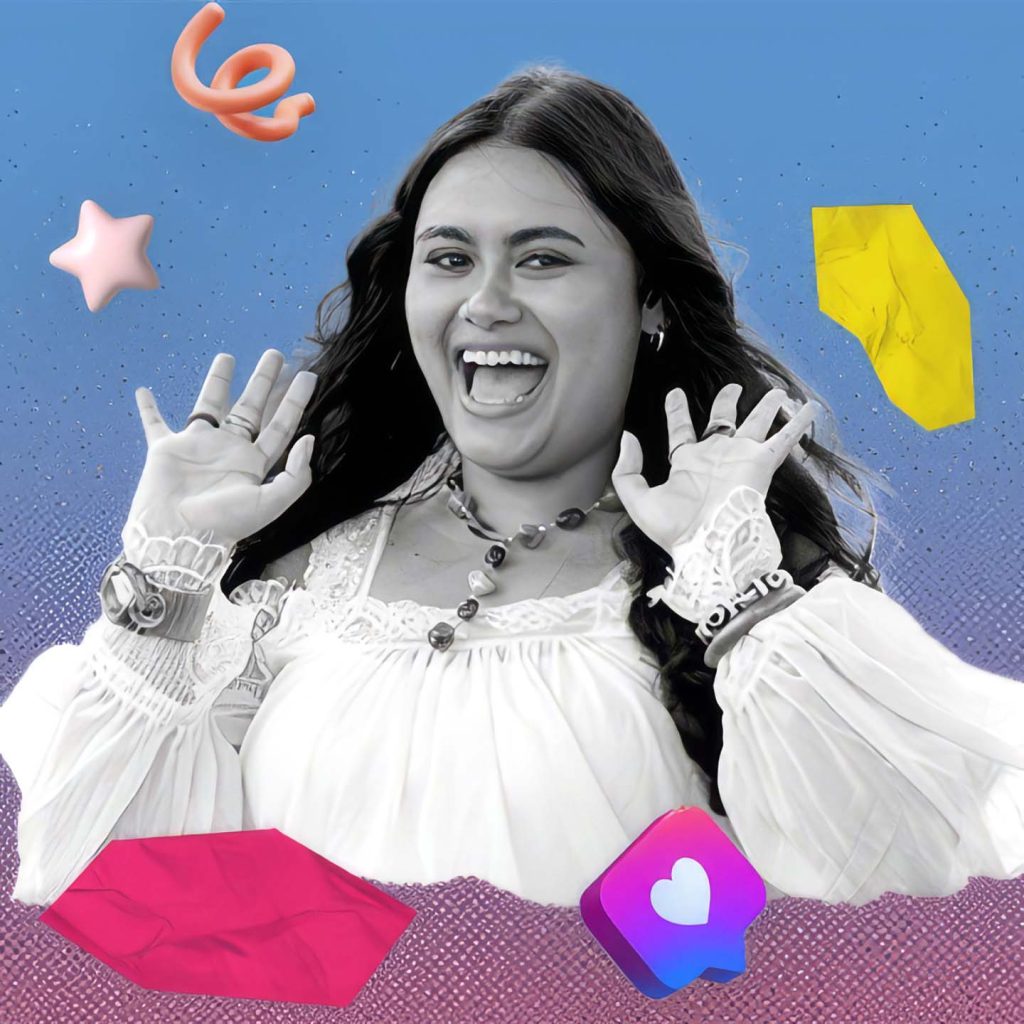
Nisa has amassed a massive following on TikTok, establishing a space that speaks to everyday VisMin life with refreshing honesty and humor.
“VisMin people are great spenders,” she said candidly in an interview with adobo Magazine, arguing that the audience in her region hold immense buying power. They are not just watching — they are spending, and she is quick to dismantle the outdated myth that people in the “province” equates to a lack of purchasing power.
“They don’t understand na grabe din ang buying power nila don (They don’t understand that their buying power is massive). So you gotta tap in more to us and see what you can find,” she said.
As she explained, one of the main reasons why Visayas and Mindanao creators stand out is that they bring something no Manila content creator can replicate: unfiltered access to authentic, lived regional experiences.
“There’s a lot more things we can offer. Marami kaming angles na maipapakita sa inyo (We have many angles to show you) because we can be in the city, but we can also share what it’s like to be in the province,” she said.
By bridging these two worlds, Nisa proves that regional content is no longer a niche market but a vital economic powerhouse that national brands can no longer afford to overlook.
JM Dela Cena – Iloilo City
Hyperlocality plays a critical role in brand-creator partnerships because regional talent brings a level of relatability that national campaigns cannot match. JM Dela Cena, a 25-year-old content creator from Iloilo City, knows this dynamic so well.

The online personality noticed that his most resonant work features local food spots from his hometown rather than massive nationwide rollouts — a clear indicator of why brands need to pivot toward hyperlocal creators.
JM speaks directly to a unique loyalty dynamic: the VisMin audience does not just watch regional creators; they actively root for them. Seeing a fellow Bisaya or Ilonggo succeed in an industry traditionally dominated by Metro Manila folk sparks a sense of regional pride.
“Grabe ‘yung support nila sa fellow VisMin. Aside from the relatability, the audience from VisMin takes pride in VisMin content creators,” he said.
That pride translates directly into brand value. When a VisMin audience rallies behind a creator, that loyalty extends to the brands the creator endorses.
“If brands trust creators from VisMin, I think they can be assured that they got the support of the VisMin audience as well,” he explained.
JM also pointed out that brands increasing seeking dialect-specific content, recognizing that speaking the local language is the fastest way to build genuine trust.
His experience proves that tapping into regional pride is not just a marketing tactic but a powerful gateway to a loyal and highly engaged consumer base.
Dr. Xavier Solis (Dookiexave) – Cebu City
In a market saturated with content, reach is easy to buy, but trust is not. Dr. Xavier Solis, AKA Dookiexave, a Cebu-based content creator, understands the difference better than anyone else.
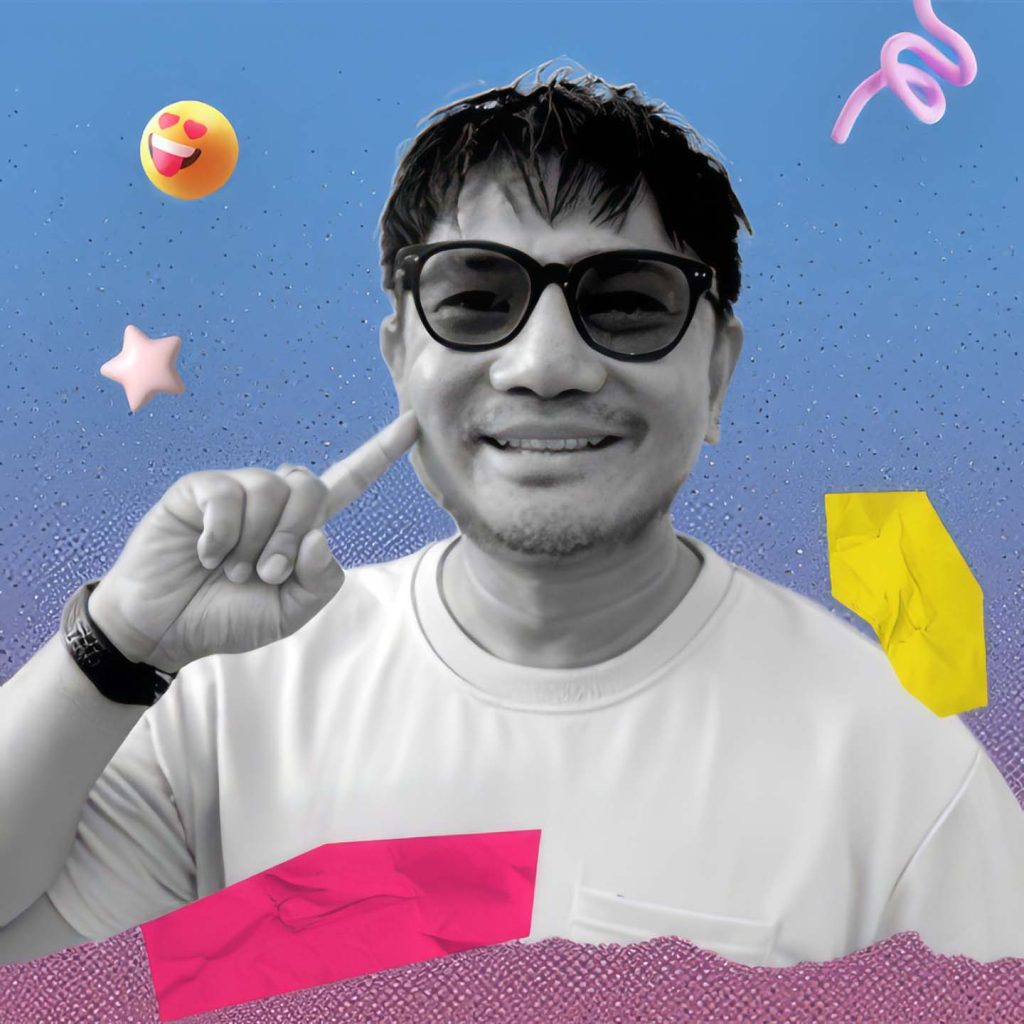
His argument isn’t that VisMin creators are louder –– it’s that they are closer. Closer to the communities they serve, closer to the daily realities of their followers, and therefore closer to the moment a recommendation becomes a purchase decision.
“For me, it’s familiarity and trust, actually. Because we are more reachable, we are more relatable to our community or to our followers,” he said.
This isn’t a soft claim; in marketing, familiarity reduces friction. When a creator is genuinely embedded in the same community as their audience, their endorsement carries weight that no amount of national campaigns can replicate. It reads as a neighbor’s recommendation, not an advertisement.
Xavier doesn’t position VisMin creators in opposition to national talent; he positions them as the missing second layer of a campaign strategy that most brands are only building halfway.
He agrees that national creators are excellent at what they do, but at the end of the day, awareness fades, and what sustains a campaign is the ground-level work that regional creators do inside specific communities.
“What makes them stay is the regional creator sustaining the project. In a brand, you should work with national creators probably for the reach, then work with regional creators for sustainability,” he explained.
Parinajeee – Isabela, Negros Occidental
Parinajeee, known for her witty skits and comedic dance moves, hails from Isabela, Negros Occidental — not Cebu City, and not Davao. She represents the deeper, truly hyperlocal layer of VisMin creators, possessing a comedy niche where her audience relationship is built entirely on trust and genuine laughter.

She brought up a sharp point about brand alignment, explaining that she does not just blindly accept any project; she makes it a point to know what a brand is actually trying to achieve before agreeing to weave it into her content.
“I would ask muna kung ano ba ‘yung target nila as a brand. Are they willing to weave the brand sa kung anong content na ginagawa ko?” (I would ask first what their target is as a brand, and if they are willing to weave the brand into the content that I produce,) she said.
That requirement is far from a diva demand; it is a creator protecting the integrity of her relationship with her audience, which is exactly what brands should want.
Another point she addressed was the so-called “provincial rate,” a lived reality for many regional creators. Parina firmly believes that this pay disparity must be dismantled.
“Dapat [fair payment] kasi we’re doing the same effort, lahat naman kami ‘di ba. Kaya namin mag-Tagalog, mas marami pang effort,” (It should be fair payment because we’re putting in the same effort, all of us. We can also speak Tagalog, so we actually exert even more effort,) she said.
Parina also pushes back on the stereotype that being based in the province means being isolated from the mainstream market. “Hindi naman kasi ibig sabihin na nasa probinsya kami, parang kulang ‘yung accessibility namin.” (Just because we live in the province, it doesn’t mean we lack accessibility.)
By demanding professional equity and creative respect, Parina makes it clear that regional creators are not a budget-friendly alternative, but premium partners who put in double the effort to bridge cultural gaps and deliver unmatched audience loyalty.
Jinkie Bangcot – Davao City
Jinkie Bangcot began her content creator journey with trending TikTok dance trends but eventually realized that she could do more and use her platform for a better purpose. She then transitioned to spotlighting food vendors and small businesses in her city, which quickly became her brand identity.

Jinkie directly confronts the most persistent stereotype that VisMin creators face: the assumption that Mindanao equals provincial isolation.
“Before kapag Bisaya palaging: ‘Ay Mindanao ka, ‘di ba probinsya, walang mall, walang everything.’ (Before, when you were Bisaya, it was always: ‘Oh, you’re from Mindanao? Isn’t that a province with no malls and everything?’) Brands need to understand that we are an active, thriving market,” she said.
One of the most telling parts of her story isn’t about content at all; it’s about money and the person who told her she wasn’t charging enough.
In the early days of her career, she was approached by an agency contact for a fastfood campaign. She gave her rate, and instead of simply accepting it, the contact pushed back — not to haggle, but to tell her that she was undervaluing herself.
“He was asking for my rate, then sinabi ko ‘yung rate ko, and then he told me, ‘Girl, no. Ang baba ng rate mo, kailangan mong taasan. Hindi ‘yan ang ifofollow natin — ito ‘yung amount na deserve mo,’” (He asked for my rate, then I told him my rate, and then he told me, ‘Girl, no. Your rate is too low, you need to raise it. That is not the rate we will follow — this is the amount that you deserve,’) she recalled.
That moment of unexpected honesty from inside the advertising industry permanently changed how she viewed herself professionally. It also exposed a significant systemic issue: the knowledge gap around fair pricing isn’t just an individual creator problem, but an industry-wide failure that hits VisMin creators the hardest because they often lack professional networks to benchmark their actual worth.
“Mahirap (It’s hard), especially if you’re not exposed or you don’t have someone to guide you. When it was me, I was one of the first digital creators in our city, so I had no one. I had to figure out everything by myself,” she added.
Today, she uses that hard-won experience to pay it forward, mentoring rising creators who seek her advice. By lifting others, Jinkie is helping build a stronger, more informed creative economy in Mindanao — ensuring the next generation of regional talent knows exactly what they bring to the table and refuses to settle for less.
Greg – Tacloban City/Manila
There is a version of the VisMin creator story that ends with leaving: starting something from scratch in the regions, getting noticed, and eventually building a career in Manila. Greg is that story, but what makes him worth paying attention to isn’t that he made it to the capital; it’s that he never let Manila make him forget where he came from.
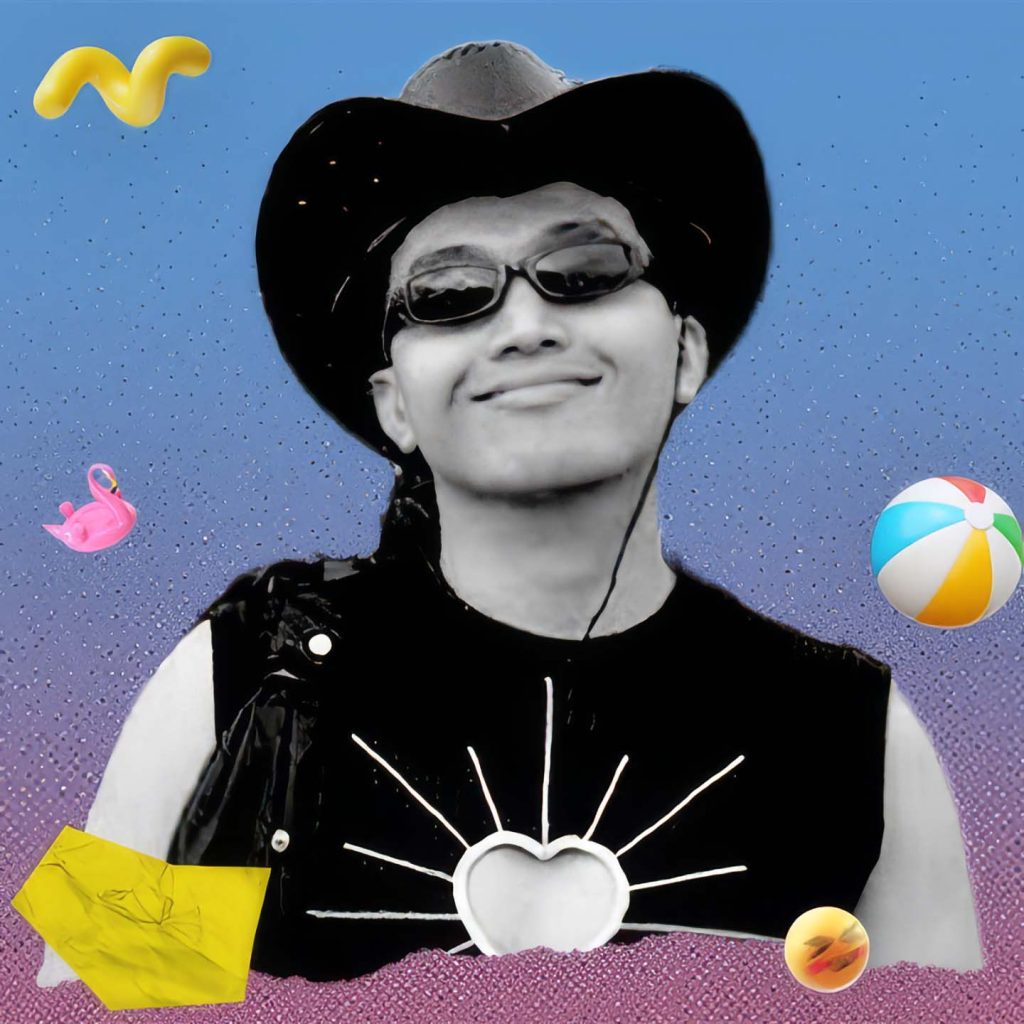
Greg, who hails from Tacloban City, is a breadwinner. Every brand deal, every campaign, and every consistent post is not just a career move; it is a financial lifeline that he has constructed entirely with his own hands, starting from nothing.
“Breadwinner ako. ‘Yung pagiging consistent and uhaw ko comes from ayokong ma-zero and I don’t wanna go back being poor” (I’m a breadwinner. I am consistent with what I do because I don’t want to be zero and don’t wanna go back being poor), he said.
He speaks honestly about something that rarely gets discussed in the creator space: his relationship with money. In an industry where excess is often performed for engagement, he is straightforward about the fact that every single peso carries weight for him.
“I’ve encountered so many people na easy lang sa kanila gumastos ng ganito. Ako kasi parang importante sa akin ‘yung pera kasi nga may pinaggagamitan siya” (I’ve encountered so many people who spend money so easily. For me, money is important because I use it for something), he said.
That sense of pragmatism resonates deeply with his VisMin audience — consumers who are highly deliberate about spending, who do not throw money at brands they don’t believe in, and who can spot inauthenticity from a mile away. When Greg endorses something, his audience knows he means it because he refuses to stake his hard-won credibility on something he doesn’t genuinely stand behind.
Although Greg is now based in Manila, he still speaks about VisMin creativity with the pride of someone who grew up inside it — not as an observer, but as a direct by-product of the local creative economy.
By remaining connected to his roots, Greg demonstrates that moving to the capital doesn’t erase your identity; instead, it brings the raw authenticity of the regions onto the national stage.
The South has always been here. It’s time brands showed up
Nisa knows how her audience spends, JM knows how loyal they are, Xavier knows how to make a campaign last beyond the launch, Parina knows her niche well enough to protect it, Jinkie knows what it costs to learn her worth, and Greg knows what it means to build from zero and still deliver.
Together, they make one argument, clearly and without apology: VisMin creators are not asking for a seat at the table; they’ve already built their own, and brands that pull up a chair will find an audience that is loyal, engaged, spending, and waiting to be spoken to in a language that actually sounds—and feels—like home.
The provincial rate needs to die; the geographical hierarchy needs to go. BaiCon didn’t start a movement; it revealed one that was already there. The only question left is whether brands are ready to catch up.
READ MORE:
Unilever Beauty & Wellbeing brings beauty trends off the feed and into BaiCon 2026