

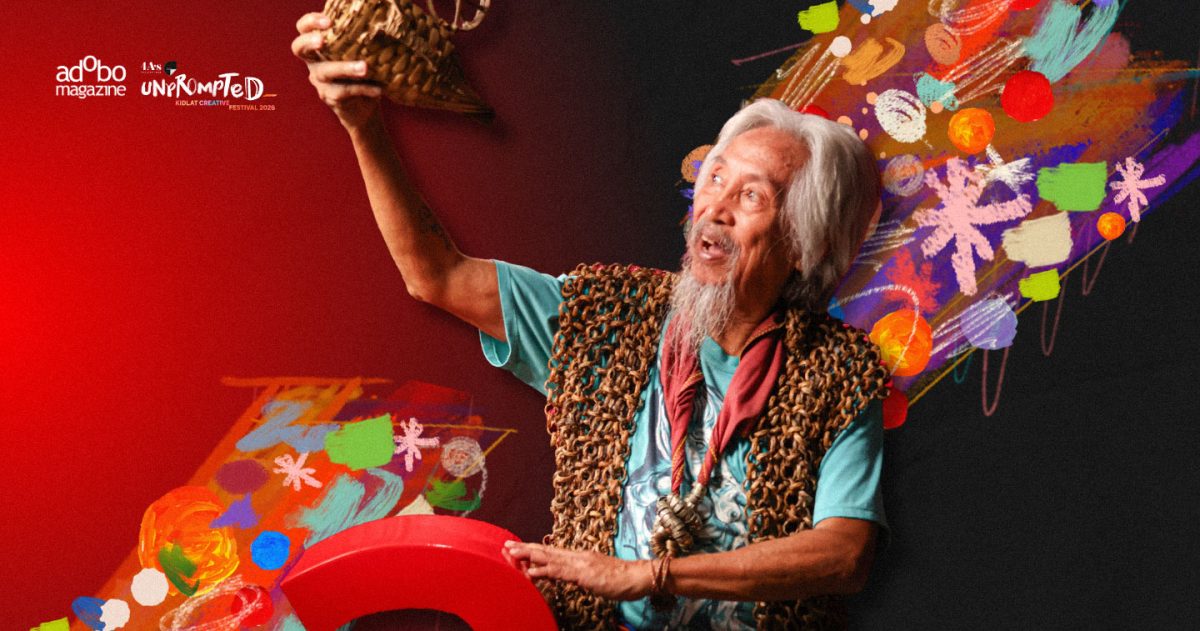

There’s a particular kind of creativity that begins neither with a brief nor a budget, platform, production deck, or the latest technology. It begins with looking closely at the world and paying attention to what’s already there.
For National Artist for Film and Broadcast Arts Kidlat Tahimik, that attention can lead somewhere deeply personal, including the indigenous communities, ancestral knowledge, the Filipino landscape, and stories that have long existed outside narratives imposed by others.
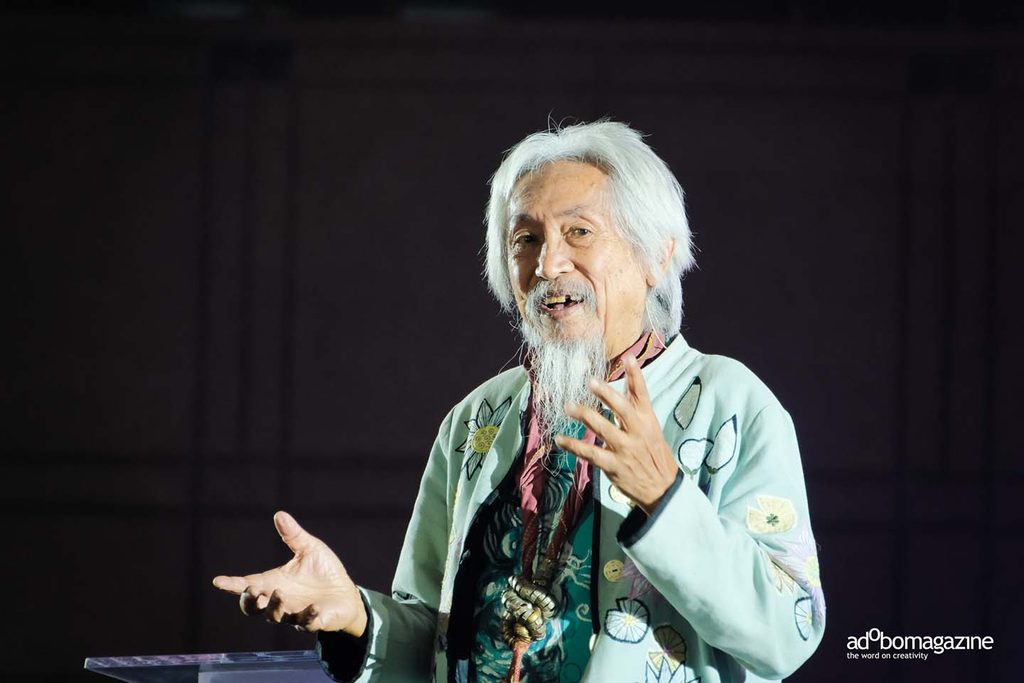
Closing the 2026 Kidlat Creative Festival, Kidlat offered a characteristically nonlinear reflection on creativity, culture, and identity. Rather than delivering a conventional conclusion, he moved between memories, films, indigenous knowledge, technology, and the experience of returning home, eventually arriving at a simple propositio to emphasize that creativity begins with being human.
Looking at the overlooked
Kidlat began by acknowledging a feeling he sees everywhere around him, anger.
“Sometimes when I look at the world, I see a lot of anger,” he said. “But on the right side of this world—there is something else. I want us to look at that side.”
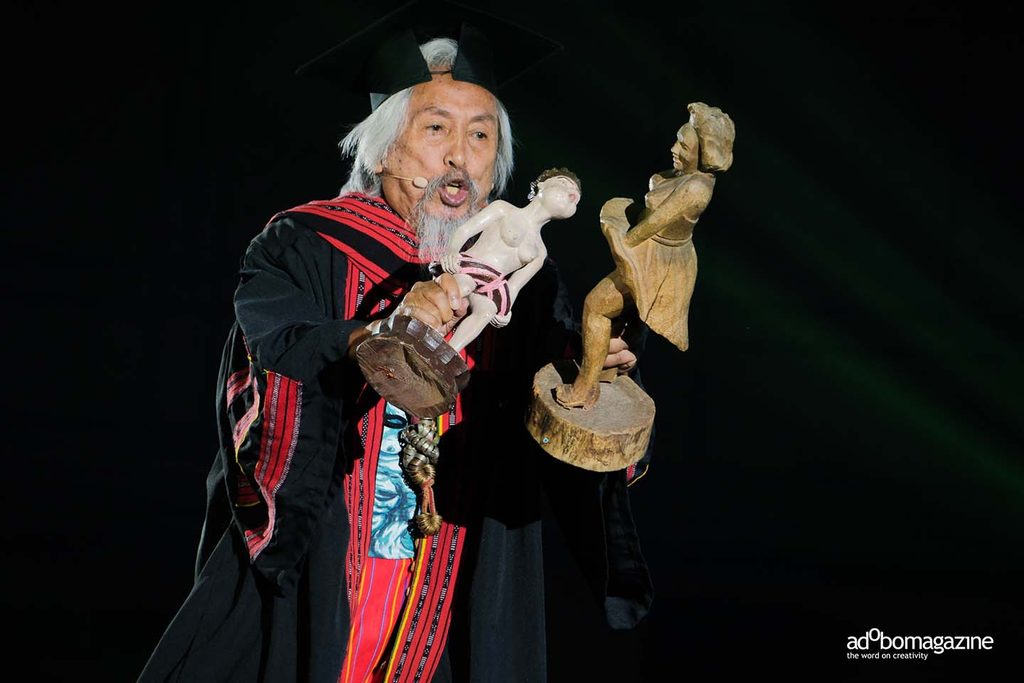
That “something else” led him to one of the recurring cornerstones of his work: the indigenous knowledge and cultures that risk being overlooked, forgotten, or erased. For him, looking at these cultures is not an exercise in exoticism, but an act of remembering.
“We need to fight for our indigenous people,” he said. “We have all the time of our life to do this—but we keep taking it for granted.”
He cited the Ifugao rice terraces as an example of knowledge that has survived for thousands of years. Its existence, he suggested, represents a form of engineering and collective intelligence that does not require validation from imported frameworks.
“Three thousand years. No budget instructions. No outside control. They are still working, three thousand years later.”
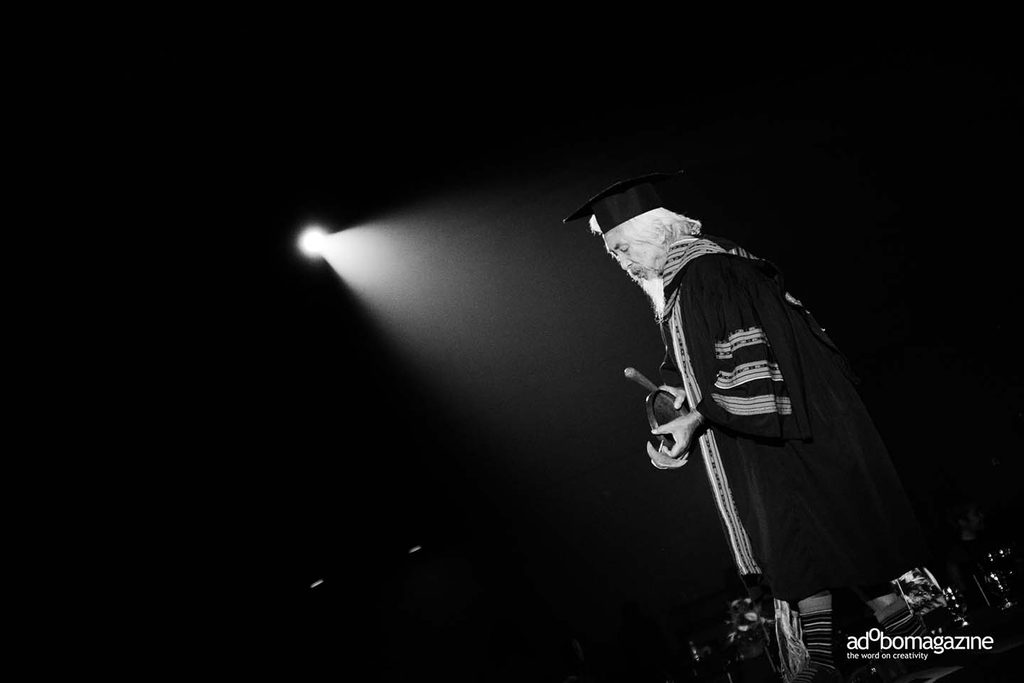
The terraces have become, in Kidlat’s telling, more than a cultural landmark. They are evidence of an indigenous methodology that has endured because as they belong to the people who created and maintained it.
“Ayan na, tingnan mo, hanggang ngayon gumagana sila,” he said. (See? Look at them. They’re still at it to this day.)
“Wala silang budget instructions, wala silang control. Tingnan mo—they’re still working, 3,000 years.” (They had no budget instructions and no one controlling them. Look at them—they’re still working, 3,000 years later.)
Telling stories that are ours
Throughout his filmmaking career, Kidlat used the medium to examine the forces that shape creativity, culture, and the human experience. He referenced films and stories about the rice terraces, Vietnam, and cultures across Central and Southeast Asia because they form part of a larger cultural conversation about identity.
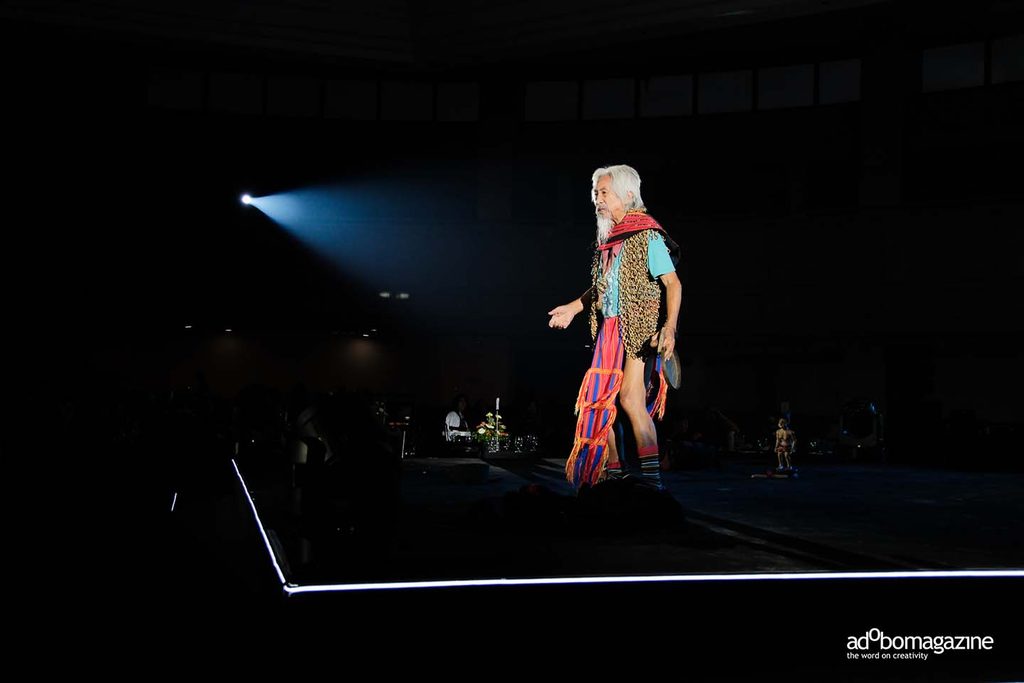
“Not because they are exotic, but because they are ours,” he said. “And they deserve stories.”
That conviction also informed one of his more direct challenges to the creative community, uplifting the idea of not forgetting Filipino cultural narratives.
“Forget about sex in paradise. Forget about Godzilla,” he said. “Let’s do our own stories—about the great people of our culture. Let’s forget the imported narrative and tell our own.”
The point was not necessarily to reject outside influences altogether, but to question why Filipino storytelling so often looks outward for its subjects, references, and validation when there are already generations of stories at home waiting to be explored. Kidlat also emphasized that telling those stories does not require an enormous production apparatus.
“I didn’t always know how to tell stories,” he admitted. “I started with humble technology. And we can still do it that way.”
He then urged the audience to reconsider the assumption that sophisticated tools are prerequisites for meaningful creative work.
“We can tell stories with our own humble technology,” he said. “We don’t need the Iron Flex of Samsung Galaxy or Sony to tell a story that matters. We can do it our own way.”
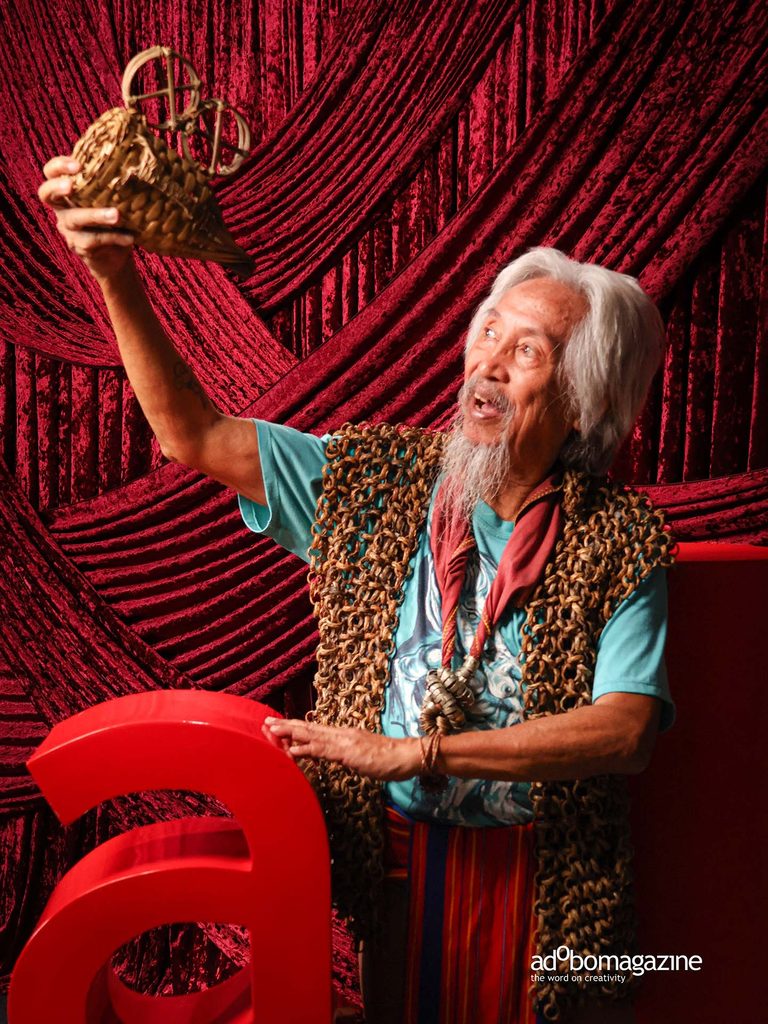
Ultimately, after a full day of listening to conversations about creativity, technology, and the future of the industry, Kidlat ended with a quieter proposition, saying that creativity begins with attention.
“I was listening all day. To everyone. And as a human — the thing that’s happening outside, the way you love the people you love — that is where creativity begins. Not in a brief. Not in a prompt. In attention. In love. In the stories we owe our people,” he concluded.
READ MORE:
In the age of AI, Kidlat Creative Festival 2026 asks what creativity can do without a prompt
These 10 new National Artists are shaping the Philippines’ creative legacy