

Artificial intelligence is no longer a future-facing experiment. It is now influencing how brands create, plan, measure, and connect with consumers. But beyond content generation and automation, a larger question is beginning to emerge: how will AI reshape the way marketing organizations operate?
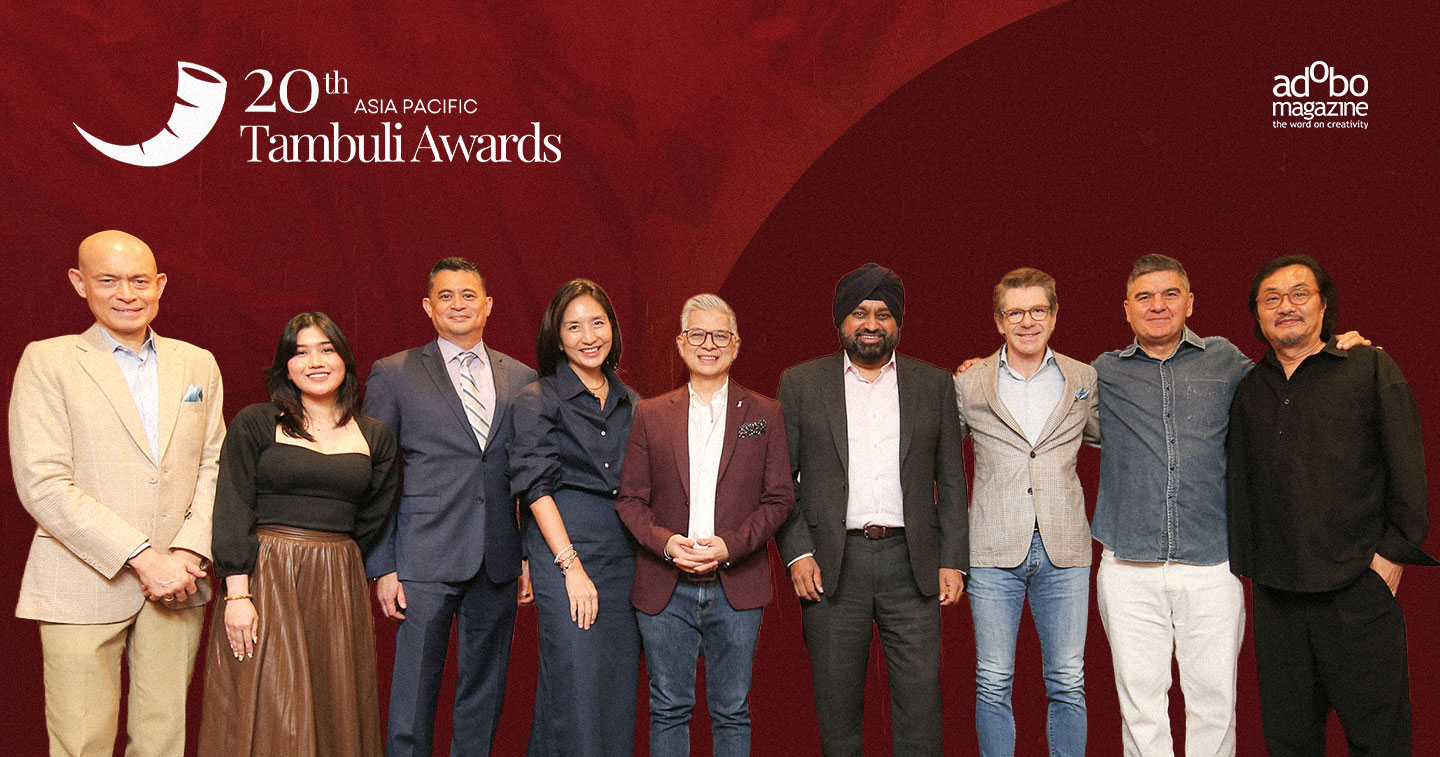
That question anchored discussions at the 20th Asia Pacific Tambuli Awards Conference, which gathered industry leaders, marketers, creatives, and business decision-makers at the Grand Hyatt Manila on Thursday, June 4 to explore how companies can navigate a rapidly evolving AI-powered landscape.
Organized by the University of Asia and the Pacific (UA&P) School of Media and Marketing, this year’s conference focused on the structural changes brought about by AI, with the theme “WTF: What’s the Future of Marketing?.” It also examined not only the technology itself but also its impact on talent, leadership, organizational design, and business growth.
Algorithm of joy
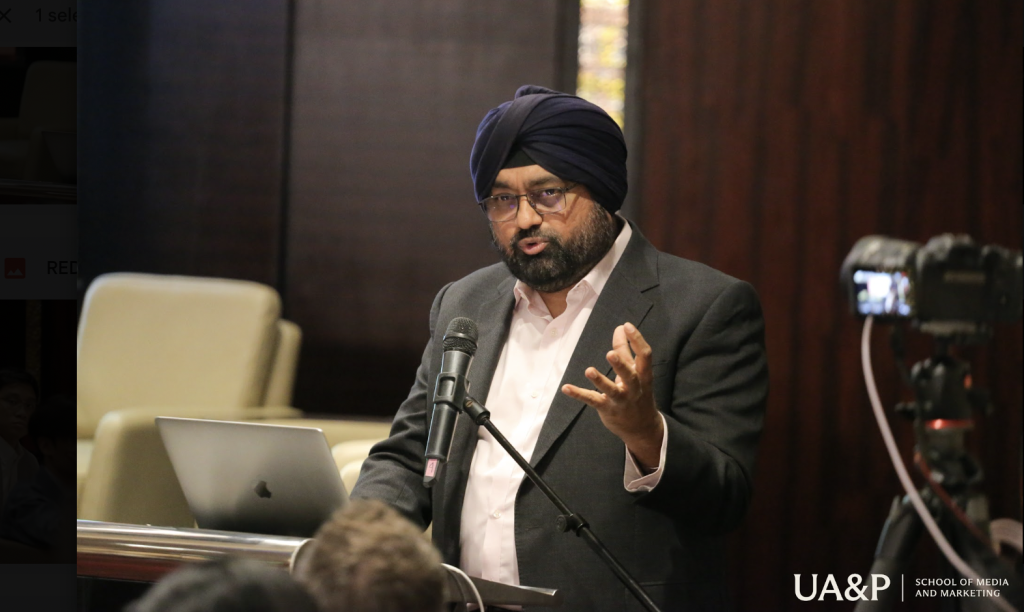
The conference kicked off with Colgate-Palmolive Oral Care Global President Samir Singh, who shared his perspective on the future of marketing organizations.
Rather than viewing AI as a threat, Samir advocated for what he calls “paranoid optimism,” acknowledging disruption while believing that human value will continue to evolve. “You need to be paranoid, you need to be always looking out, but if you don’t combine that with optimism, then you have a problem,” he said.
As technology advances, he argued, qualities such as empathy, judgment, creativity, and cultural understanding become even more valuable. Every major technological disruption — from the steam engine to the computer — was followed not by the end of human value, but by an explosion of new work, new value, and new forms of prosperity.
Samir also stressed that human value does not disappear; it just moves up the chain.
According to him, the real question, then, is not whether AI will change marketing but what role marketers choose for AI, amplifying the idea of the “algorithm of joy.”
In a digital landscape overflowing with content, Samir believes brands should focus less on chasing attention and more on creating meaningful experiences.
“Attention makes people stop, but joy makes people come back. Joy builds memory, memory triggers preference, preference drives growth.”
Throughout his talk, he shared instances of AI being used both poorly and powerfully. While some AI-generated campaigns gained attention but missed the emotional mark, others created moments that felt impossible, memorable, and deeply human.
He referenced a McDonald’s AI-generated Christmas film that depicted Christmas as a miserable time through AI-generated clips, using the brand as a sort of refuge. The campaign drew backlash and had to be pulled out. Per him, optimizing for attention and novelty is not the same as optimizing for emotion and resonance.
“I think it was a great insight, and actually well-executed with AI, but while people noticed, they did not welcome [it]. It simply did not get the feeling of Christmas,” he said. “You can get it wrong when you’re optimizing for the wrong thing.”
On the other hand, he praised a campaign that used AI to simulate a match between a 17-year-old and a 35-year-old Serena Williams. As Samir puts it, the campaign ”staged the impossible” as it “did something which was not current output, but which was output you couldn’t imagine.” That, for Samir, is AI at its best, doing things that were previously impossible, in service of human emotion and meaning.
“They made the past meet the present. The work didn’t just showcase AI; it created a new emotional experience for fans — watching someone they loved grow up in front of them, in a way that felt joyful and deeply meaningful, even profound.”
Samir also emphasized that even everyday products can hold powerful emotional meaning. Drawing from Colgate’s own work, including the campaign Every Smile Tells a Story, the brand uncovered real stories of family, love, and identity, proving that great marketing reveals the human truths hidden in ordinary moments.
“We chose to tell these stories simply, no scripts, no effects, no AI, just real people and their real stories,” he said.
Ultimately, Samir believes that the future of marketing is not AI replacing marketers, but AI helping them create deeper connections at scale. His framework starts with human desire and is grounded in brand truth, powered by creativity, amplified through culture, and enabled by AI.
“Not AI replacing the marketeer, not AI replacing the idea, but AI helping us create joyful brand experiences that people welcome, remember, repeat, and share.”
Alchemy of AI and Human Insight
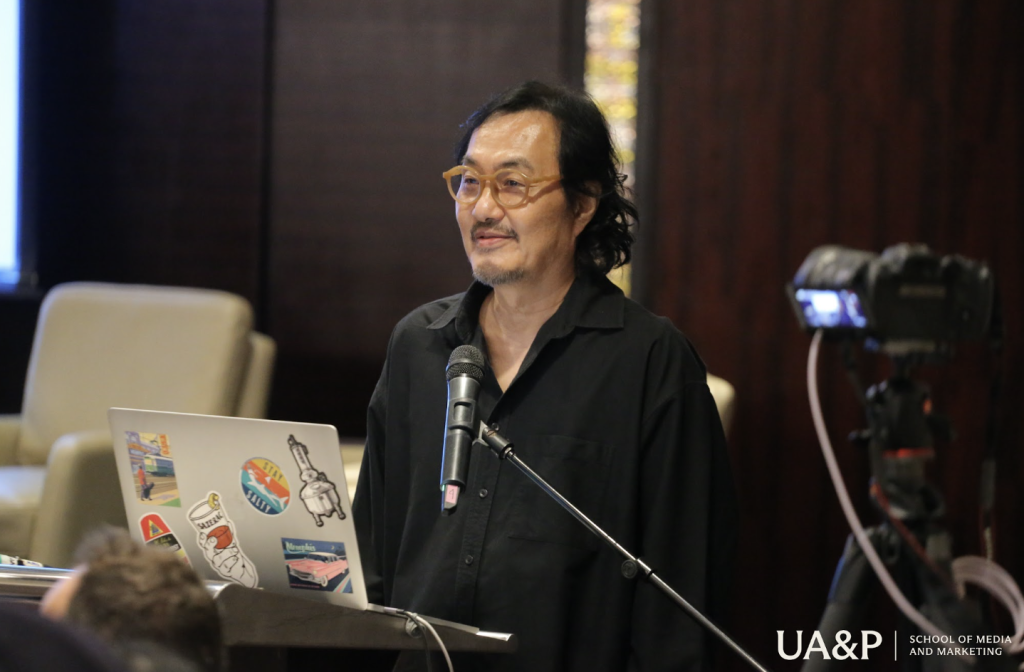
The conference further explored the intersection of machine intelligence and human creativity, examining how the two are reshaping campaign development and execution. Paulus Chief Creative Officer (CCO) and 2kg Founder in South Korea Thomas Hongtack Kim helped the crowd understand that technology can optimize, but only humans can create meaning.
Thomas argued that while generative AI excels at efficiency, automation, and personalization, true marketing impact still depends on human qualities such as empathy, intuition, imagination, and cultural understanding. He described the future of marketing as an alchemy between AI and human insight (HI) rather than a competition between the two.
One of his strongest examples was Starbucks Korea’s controversial “Tank Day” promotion, launched on May 18 — a date tied to the Gwangju Democratization Movement.
The creative solutionist and writer asked Gemini (Google’s AI) to evaluate the potential success of the Starbucks Tank Day event before its launch. The model answered by focusing almost entirely on greenwashing and sustainability concerns.
“Its response was heavily focused on the greenwashing risk. But although AI knew about the historic atrocity, it failed to recognize the potential problem associated between Starbucks and the Gwangju democratization,” Thomas said.
To him, the lesson was clear. The case was not a failure of AI but a “total failure of human insight.” He then reframed what a more humane and insight‑driven response could have been.
Using AI tools, he mocked up a digital coupon concept around the idea of Starbucks instead creating a commemorative coupon honoring May 18 and donating all the proceeds to organizations supporting the survivors. Through this, he emphasized the importance of human insight. He strengthened his proposition, saying, “AI can generate and optimize, but only humans can truly resonate.”
Thomas also warned against an overreliance on AI-generated content. As digital spaces become saturated with machine-made assets, brands that stand out will be those that balance efficiency with what he calls “sensitive authenticity” — combining AI-powered execution with genuine storytelling, empathy, and strong brand values.
He pointed to brands like Patagonia, a designer of outdoor clothing and gear for silent sports, which use technology to support operations while centering real human stories, and highlighted the growing importance of micro-communities, omnichannel experiences, and creator partnerships built on trust rather than reach.
“While AI was mass‑producing pros and auto‑generated articles, Patagonia collected real, sweating, lived stories of customers opening up about the clothes they had worn for 10 or 20 years.”
He noted that AI handled the efficiency side, including the planning, data analysis, and distribution for Patagonia, while humans carried the emotional core. This, for Thomas, is the proper use of AI as a support system that amplifies human stories rather than replaces them.
Thomas has also observed a shift from celebrity aspiration toward authentic connection in influencer marketing. Micro- and nano-influencers, he said, increasingly drive trust because audiences see them as peers rather than distant icons.
He also cautioned brands against depending too heavily on virtual influencers, arguing that consumers are becoming more skeptical of artificial personalities and are instead gravitating toward creators who feel real, relatable, and transparent.
Above all, Thomas believes the marketers who thrive in the AI age will be those who understand the limits of technology and the enduring value of human experience.
Future of marketing: Beyond the algorithm and into the human
One of the conference’s most anticipated discussions brought together marketing leaders at the forefront of AI transformation across diverse industries.
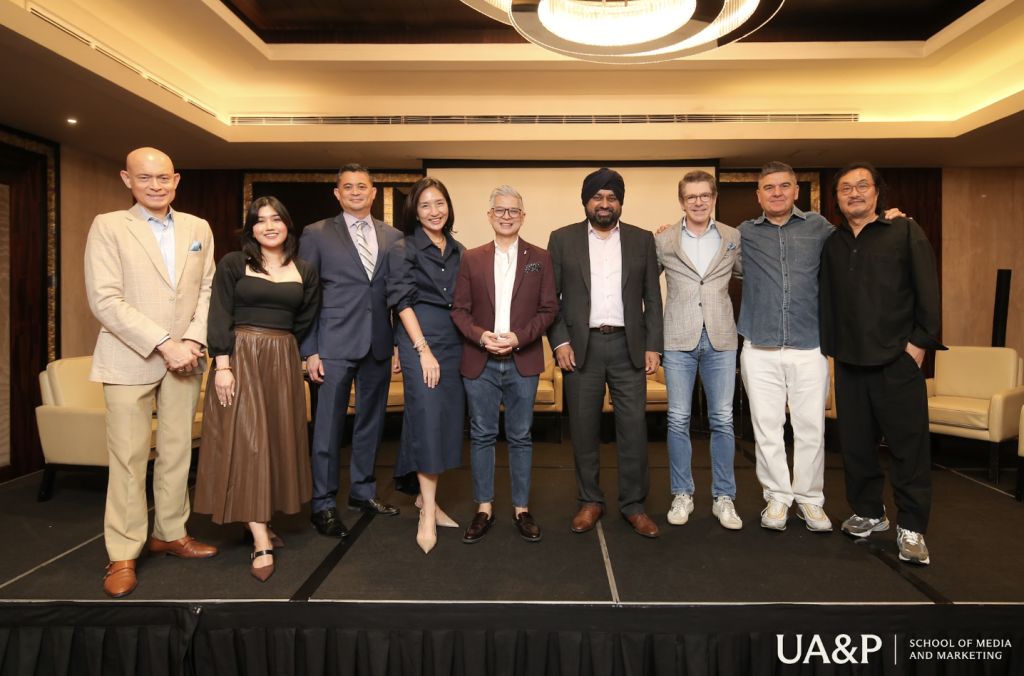
Moderated by global CMO adviser Stephan Czypionka, the panel, together with Samir and Thomas, featured Grab Philippines Head of Marketing Bea Bravo; UnionBank of the Philippines Chief Marketing and Experience Officer Albert Cuadrante; BBDO Guerrero Creative Chairman David Guerrero; Cebu Pacific Chief Marketing and Customer Experience Officer Candice Iyog; and Rocket Partners Vice President for Business Development APAC Viko Perrine.
Bea highlighted the distinction between information and meaning, arguing that while AI can generate options and recommendations, it cannot understand the emotional significance behind human experiences.
“AI can give you options, but it cannot provide the meaning,” she said. Bea illustrated her point by drawing a comparison: a metal ring may be recognized by AI as a simple object, but humans understand it as a symbol of unconditional love, memory, and connection.
Meanwhile, Albert stressed that technology cannot replace a deep understanding of consumer needs.
“Fundamentally, what will remain the same is that every success will be anchored on a real consumer insight,” he said, underlining that genuine insight remains the starting point of every meaningful innovation.
Candice also shared a similar view, noting that technology should always be guided by human experience.
“It’s really the importance of listening to human experience, human insight, because that then informs how you approach the use of technology,” she said.
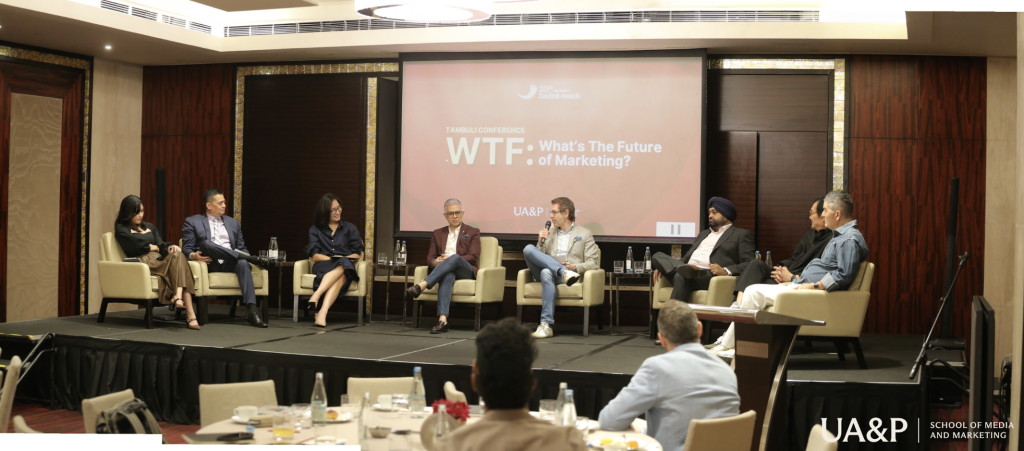
Additionally, the discussion also explored how AI is reshaping the skills required of marketers. Rather than creating demand for narrow specialists, panelists suggested that future leaders will need broader capabilities that combine business understanding, creativity, technology, and consumer empathy.
David argued that while AI can support research, testing, and production, the creative spark itself remains deeply human
“You have to use AI as your sparring partner,” he said, encouraging marketers to challenge and push the technology rather than rely on it passively.
The panelists also highlighted the growing importance of organizational agility. As commerce, content, and customer experience become increasingly interconnected, marketers must work more closely with product, sales, and technology teams. Viko noted then that AI’s greatest value lies not simply in automation but in helping organizations respond faster and make better decisions across functions.
The speakers cautioned against becoming overly focused on efficiency at the expense of brand building. Referencing highly automated markets such as China, Samir warned that brands risk producing endless content designed to satisfy algorithms rather than create lasting emotional connections with consumers.
Ultimately, the future, the panel agreed, belongs to marketers who can balance technological capability with human understanding. As AI becomes more embedded in everyday operations, success will depend less on mastering tools and more on exercising judgment, curiosity, empathy, and creativity.
The Asia Pacific Tambuli Awards celebrated its 20th anniversary with a gala awards ceremony at the Grand Hyatt Manila in Taguig City on Friday June, 5.
adobo Magazine is an official media partner of the 2026 Asia-Pacific Tambuli Awards
READ MORE:
Purpose pays, and here’s proof: Meet the winners of the 20th Asia Pacific Tambuli Awards
McDonald’s, Publicis Groupe Philippines, and Ogilvy Manila lead 2026 APAC Tambuli Awards finalists
WTF? APAC Tambuli Awards gathers industry leaders to decode the future of marketing in its 2026 executive conference
The 2026 Asia Pacific Tambuli Awards gather industry titans for 2026 juries