
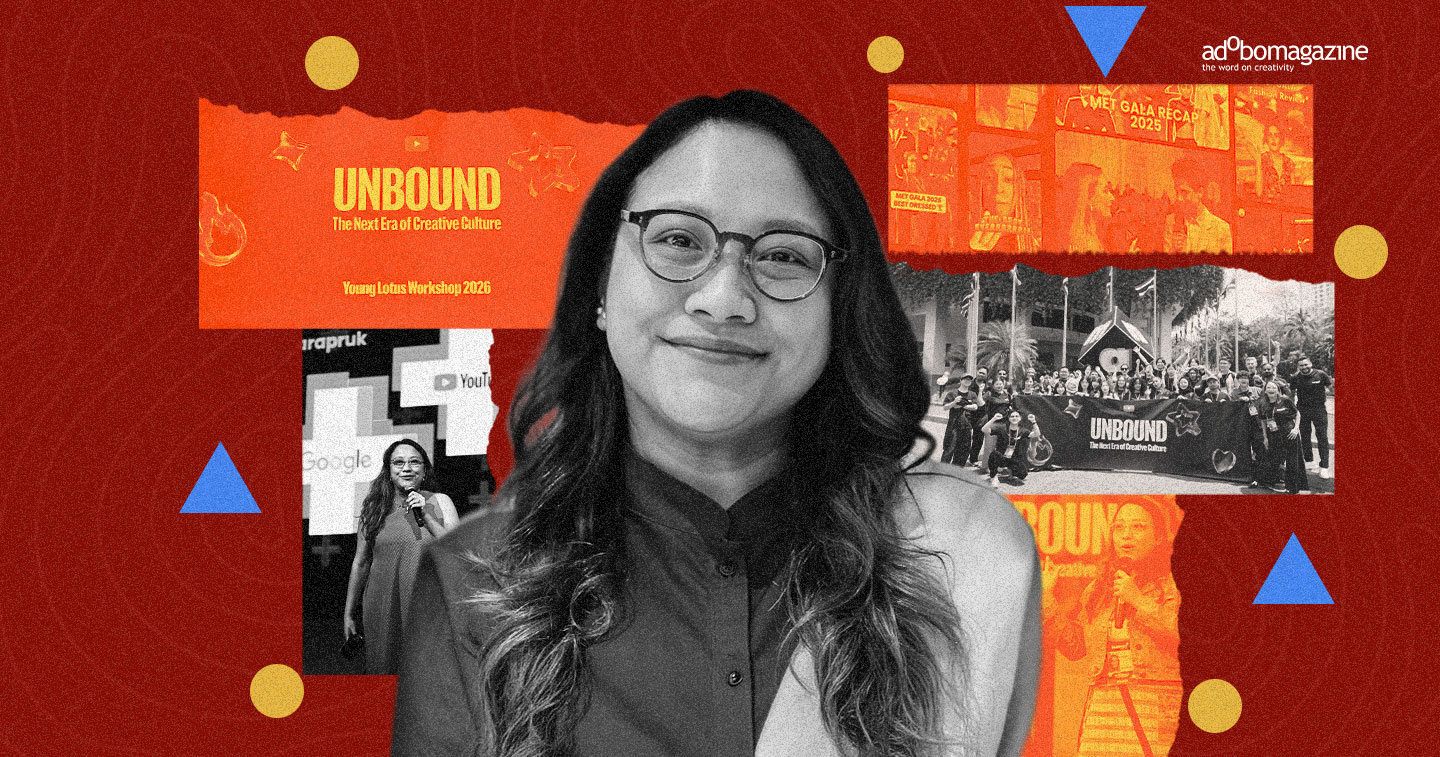
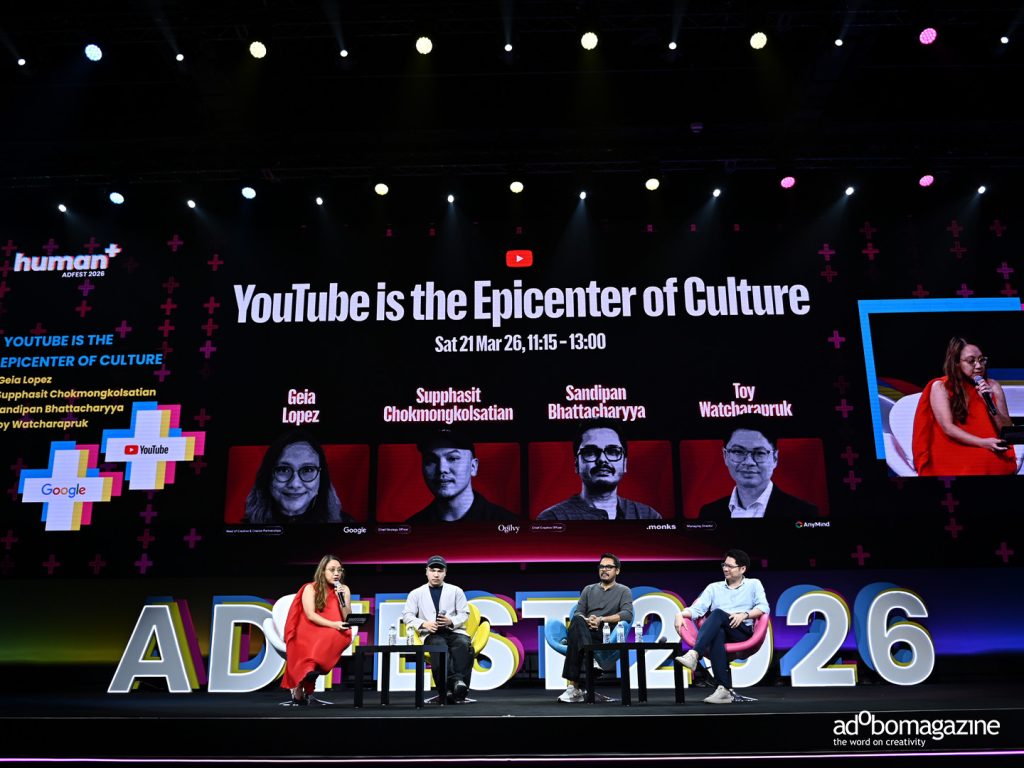
As Head of Creative and Creator Partnerships at Google Southeast Asia, Geia Lopez has spent her career watching how platforms have reshaped the creative landscape. And what she’s learned from leading this year’s Young Lotus Workshop at ADFEST 2026 is something the industry needs to hear: the future isn’t about choosing between technology and humanity.
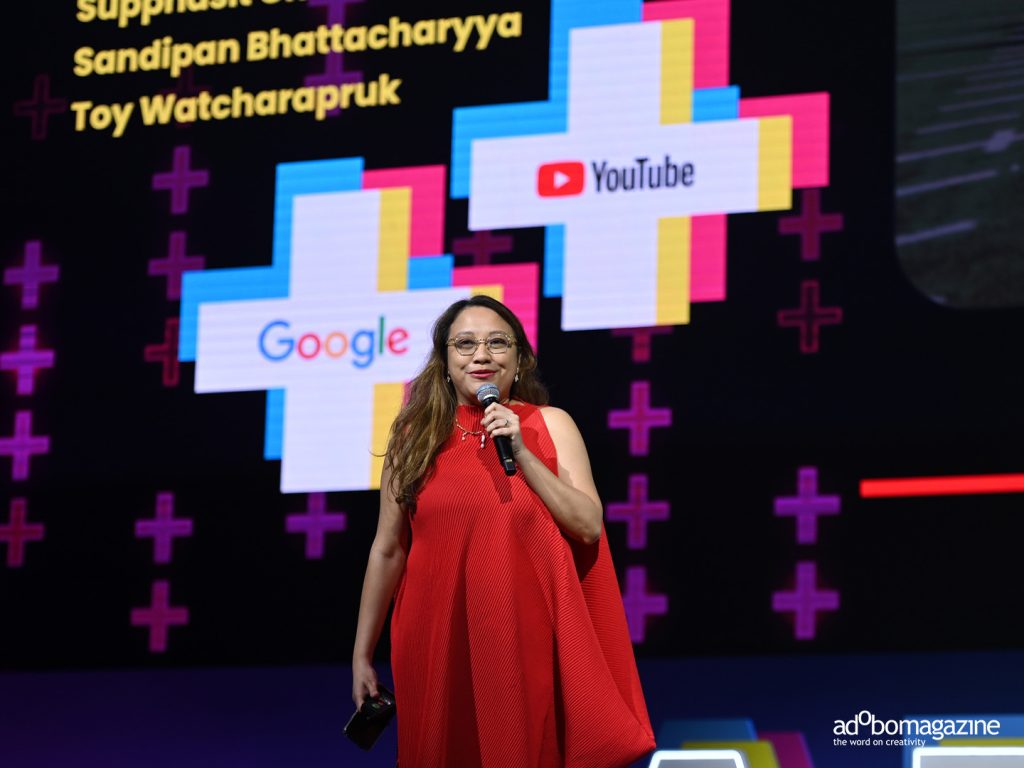
“We see AI as a multiplier for human ingenuity,” she tells adobo Magazine. “Our big opportunity is using this technology to fuse brand storytelling directly into the heart of culture, allowing bold ideas to scale faster than ever to build lasting cultural relevance.”
When the platform becomes the culture
YouTube sits at a unique vantage point because it’s where billions discover, create, and engage. In Southeast Asia, that position has become something more fundamental: it’s the epicenter of culture creation itself.
“We see YouTube as the epicenter of culture, creation, and community, and it’s never been as vibrant,” Lopez says. Across the region, stories are being told in forms that would have been impossible even three years ago.
More than becoming a premier space for content distribution, it fundamentally reshapes who gets to tell stories and how those stories scale.
The challenge: most brands still think like broadcasters. They want to interrupt. They want attention. But the most effective work on YouTube comes from creators and agencies that understand something deeper: community is their creative partner.
The new era of collaborative creativity
At the intersection of traditional creative agencies and independent creators sits something unprecedented. They can benefit from each other’s expertise.
Lopez understands and respects the mastery and deep understanding that creative agencies bring to the table — in storytelling, architecture, and in how to communicate brand benefits in ways that convince people to choose one product over another. Creators, on the other hand, understand their communities intimately. They create based on trends, but more importantly, they create based on listening — really listening — to what their audience wants to see and experience.
“When they come together, it’s magic,” Lopez affirms.
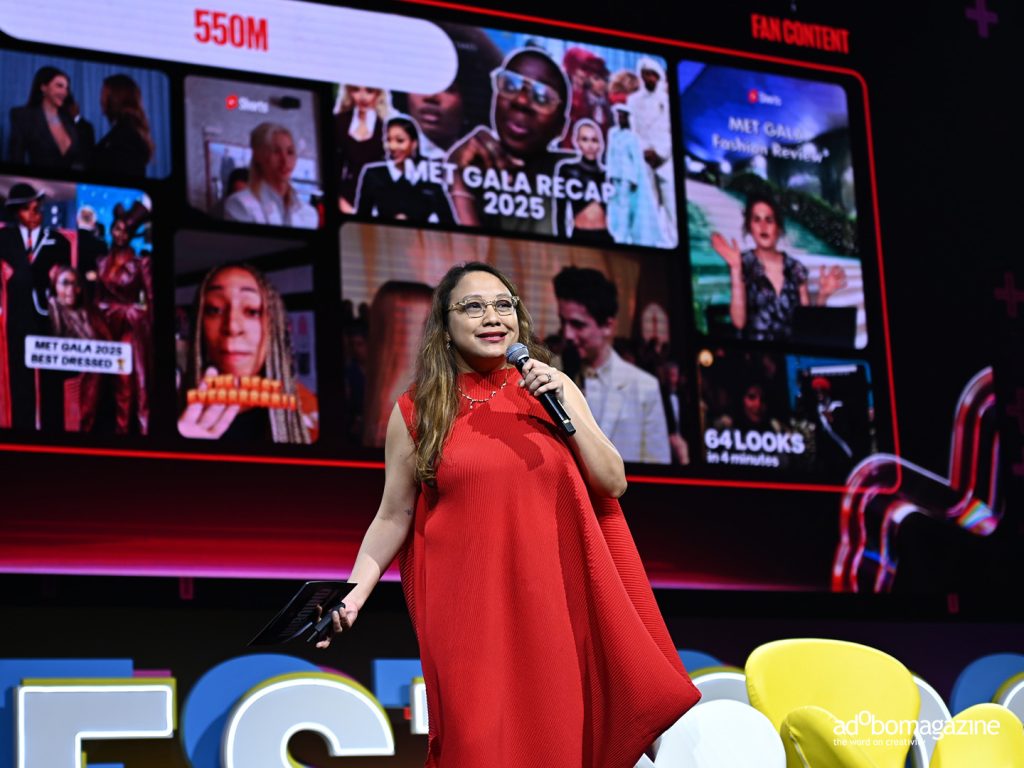
An agency brings strategy and craft discipline; a creator brings authenticity and community trust. Blend them right, and you get ideas that feel native to the platform, rooted in real human connection, yet strategically sophisticated.
The unbound generation
When Google hosted the Young Lotus Workshop this year under the theme “UNBOUND: The Next Era of Creative Culture,” Lopez and her team were looking for something specific: young creatives who could seamlessly fuse human creativity with AI and platform culture.
What they found exceeded expectations. Twenty-nine young creatives from 15 cities — Bangkok, Colombo, Dhaka, Guangzhou, Gurugram, Ho Chi Minh, Hong Kong, Jakarta, Kuala Lumpur, Manila, Riyadh, Seoul, Singapore, Taipei, and Tokyo — spent 24 hours responding to a real YouTube brief.
“What excites me most is seeing this next generation seamlessly blend human creativity with the power of creators and AI,” Lopez says. “This year is special because of our theme, ‘Unbound.’ We are currently witnessing the first spark of a new era. The generative AI tools we see today are merely the tip of the iceberg, and the pace of innovation will only accelerate. The real impact happens when we approach this technology with playfulness and experimentation.”
The winning team from SOUR Bangkok understood the assignment perfectly. Their work, “Watch Like Me,” didn’t just use the YouTube algorithm — it treated the likely foe as a creative asset. The team understood that Gen Z doesn’t fear technology, but actually enjoys treating it as a creative playground. They saw the platform not as a constraint but as a strategic canvas where privacy preferences, creator culture, and brand love could coexist in new ways.
“The real impact happens when we approach this technology with playfulness and experimentation,” Lopez explains. And that’s exactly what the Bangkok team did. They took the tools available and asked what was possible, not what was prudent.
The creative era that requires humanity the most
Here’s the paradox Lopez is living: as AI gets smarter and more capable, human creativity becomes more valuable, not less. When anyone can generate adequate content, genuinely felt work stands out. When algorithms can predict trends, the ability to create counter-trends becomes rare. When scale is easy, authenticity becomes premium.
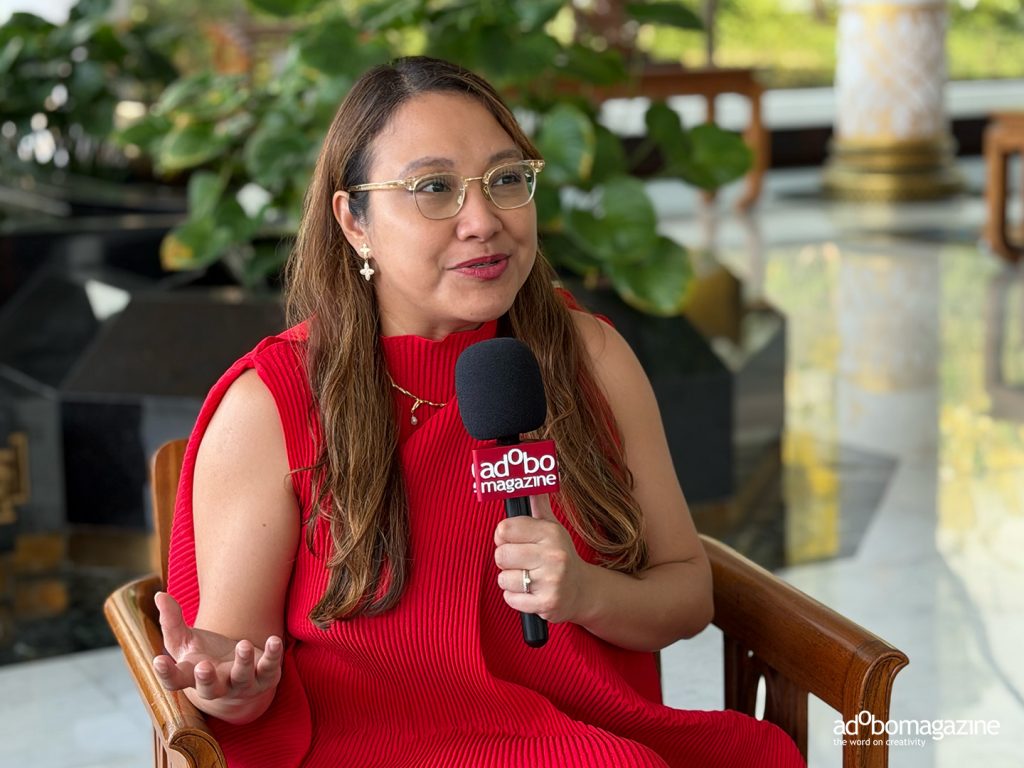
“To really transition into this era responsibly is to ensure that human connections, emotional resonance, and the authenticity that comes with knowing human to human — that you’re there, that you feel that —continues to be cultivated,” Lopez insists.
AI doesn’t replace the human touch; it amplifies it. We’re using generative AI to handle the speed of execution, allowing more room for human judgment and imagination to flourish. Ultimately, the best creative work still relies on a human perspective to decide what resonates.
Looking at the young creatives coming through Young Lotus, Lopez sees exactly this happening. They’re not asking if they should use AI. They’re asking what AI can help them do faster so they have more time to think deeply, to play, to imagine.
“I say to our young talent: ‘You are the architects of this new creative renaissance, with these tools, the future is yours to write.’”
READ MORE:
Google hosts ADFEST Young Lotus Workshop 2026: ‘We aren’t just making ads, we are creating culture’